Hiring a web designer is harder than it should be. Most sound the same: bespoke websites, passionate about your business, results-driven. It all blurs together before you’ve even had a first call.
The problem only becomes clear later. The site goes live and nothing’s set up for search. The designer is impossible to reach. You’ve got no idea how to update anything and there’s no support in place.
I’ve been building custom WordPress websites since 2008 and I’ve helped plenty of clients who came to me after a bad experience with hiring a web designer elsewhere. Here’s what I’d actually check before hiring anyone.
Look at their live work, not their portfolio page
Every designer has a curated portfolio. What tells you more is how their sites actually perform once they’re live.
Visit three or four websites they’ve built and check these yourself:
- Load speed: Does it feel fast on mobile? Slow sites lose rankings and visitors.
- Mobile experience: Not just “does it display” but does it actually work? Is the navigation usable? Can you read it without zooming?
- SEO basics: Is it clear what the business does and where they’re based? Are there proper page titles and headings, or does everything look vague and generic?
- Contact journey: How many clicks to get in touch? Is the next step obvious?
A screenshot tells you what something looks like. A live site tells you whether the designer you’re hiring understands how websites work for real businesses.
Before you sign anything, ask what happens after launch
This is the question most people forget, and it’s the one that matters most.
WordPress sites need ongoing attention: plugin updates, security patches, backups, uptime monitoring. Without that, your site becomes a liability and vulnerable to being hacked, prone to breaking unexpectedly, and slowly falling behind technically in ways that affect your search rankings.
Before hiring a web designer, ask:
- What does handover look like after we go live?
- Do you offer any kind of ongoing support or maintenance?
- If something breaks six months from now, what’s the process?
Some designers hand you a login and walk away. Others offer monthly support packages. Neither is automatically wrong, but you need to know which one you’re getting, and factor it into your decision.
If you’re not technical and don’t have anyone in-house who can manage a WordPress site, build ongoing support into your budget from day one. It’s not an optional extra.
Dig into what “SEO-friendly” actually means
Almost every web designer will tell you they build SEO-friendly websites. That phrase has been stretched so far it’s nearly meaningless.
What you actually want to know is whether they understand the structural decisions that affect search performance:
- Page structure: Are service pages built around specific search terms, or is everything bundled onto one vague “services” page?
- Location signals: If you need local clients, is location used properly throughout: in headings, page titles, meta descriptions and body copy?
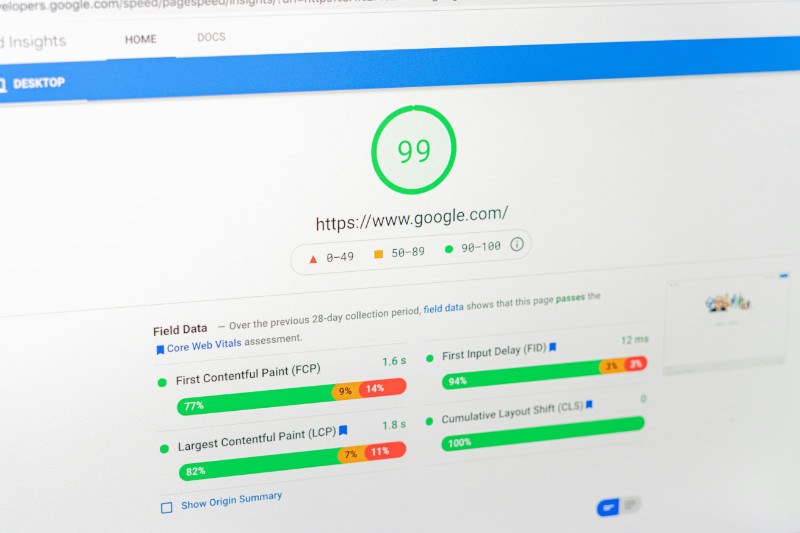
- Site speed and Core Web Vitals: Google publishes its own guidance on Core Web Vitals and what affects them if you want to check how a site performs before you commit.
- Internal linking: Are pages connected in a way that helps Google understand the site’s structure and what’s important?
You don’t need to quiz them on every technical detail. But ask: “How do you approach SEO for a service business?” If you get something vague about keywords and meta tags, that’s a useful signal.
Find out who’s actually doing the work
With agencies, the person who presents to you is rarely the person who builds your site. You might have a great first meeting with a senior designer, then your project gets handed to a junior developer you’ve never spoken to.
With freelancers, you know exactly who’s doing the work. The risk is capacity: how many other projects are running at the same time, and what happens to yours when something else gets busy.
Ask directly:
- Who will design and build my site?
- How many other projects are you working on alongside mine?
- How do you communicate during a build and what should I expect from you?
There’s no universally right answer. But you should know what you’re getting before you commit.
Understand what you’re actually buying at each price point
A £500 website and a £5,000 website are not the same product with a different price tag.
At the lower end you’re typically getting a template with your content dropped in. Minimal customisation, limited SEO structure, no support once it’s live. That’s fine if it genuinely fits your needs and budget but go in knowing what it is.
A properly built custom WordPress website designed to rank for your services, structured to convert visitors into enquiries and set up with the right security and performance basics is an investment that should pay for itself over time.
The question isn’t just “what can I afford?” It’s “what do I actually need and what will it cost me if I get this wrong?”
Questions worth asking before hiring a web designer
A good designer won’t be bothered by any of this. If you’re serious about hiring a web designer who’ll still be available six months after launch that matters more than you’d think.
If someone gets evasive about post-launch support or vague about who actually does the work or can’t explain what “SEO-friendly” means in practice that’s your answer.
If you’re based in London or the surrounding area and want to talk through what your site actually needs I offer a free consultation with no pressure to go further.